
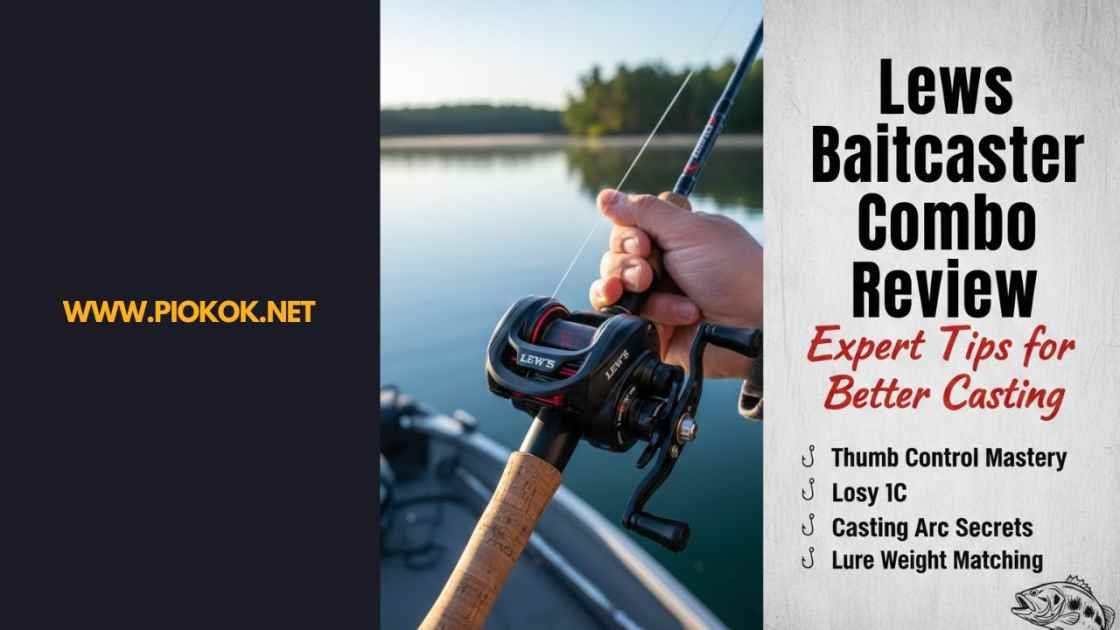
Lews Baitcaster Combo Review Expert Tips for Better Casting
The Lews baitcaster combo is a popular choice for anglers who want a reliable blend of performance and value. Whether you are moving up from a spinning setup or hunting for a tough backup outfit for heavy cover, this combo promises smooth casting control and strong retrieve power.
In this blog guide, we break down what makes the Lews baitcaster combo stand out, how to set it up and tune it, and the techniques that will help you cast farther and with fewer backlashes. This article is written to be actionable and approachable so you can start improving today.
Why this review matters
Many buyers look at brand names and price tags but overlook practical fit and setup. Fishing success often comes down to small adjustments and solid technique. The right combo should reduce frustration and help you land more fish. This review focuses on real-world usability, not marketing buzz.
What anglers get with a Lews baitcaster combo
Lews combines a baitcasting reel with a matched rod in most combo packages. The rod blank balance and reel gearing are matched to perform together. That synergy gives a better first impression out of the box and less time fiddling with parts. This section gives a quick snapshot of typical strengths and limitations across popular Lews combos.
Quick specs comparison table
Below is a compact reference table you can use to compare common Lews baitcaster combos at a glance. This table appears early so you can reference it while reading the deeper explanations that follow.
| Component | Typical Specification | Why it matters |
| Reel gear ratio | 6 to 7 point 3 to 1 | Balances speed and torque for most freshwater techniques |
| Bearings | 4 to 10 stainless bearings | More bearings equals smoother retrieve in many models |
| Braking system | Magnetic or centrifugal | Helps control spool speed to reduce backlashes |
| Rod length | Longer rods cast farther, shorter rods offer better leverage | 6 feet 6 inches to 7 feet 6 inches |
| Power rating | Medium light to heavy | Choose based on target species and lure weight |
| Line capacity | 100 to 200 yards mono 10 to 17 pound | Enough capacity for most bass and inshore fishing |
| Price range | More bearings equals a smoother retrieve in many models | Good value for anglers upgrading from entry gear |
Understanding the Lews baitcaster combo core components

Reel design and mechanics
The reel is the centerpiece. A Lews baitcaster reel typically features a low-profile design that fits comfortably in the palm. Internally, you will find a gear train, a braking system, and a drag. The gear ratio determines how quickly the line comes in, so choose according to the technique you use often. For flipping and jiggin,g you want a lower gear for power. For frogging and topwater, a higher gear helps retrieve lures quickly.
Rod blank and action
Lews pairs a rod blank that complements the reel. The action determines how the rod loads during a cast and how it plays fish. A fast-action blank bends near the tip, offering sensitivity and quick hook sets. A moderate action offers a gentler bend and can help when using soft plastic baits, where a little give reduces pulls out of the fish.
Drag systems explained
A smooth, dependable drag is crucial when a fish makes a long run. Modern Lews drags use carbon or composite washers that offer consistent resistance. Adjust the drag so the fish can take the line without breaking it, but you still maintain control. A good starting point is to set drag at roughly one-third to one-half the line test rating, then fine-tune on the water.
Braking systems and backlash control
Backlash is the nemesis of new baitcaster users. Lews uses magnetic or centrifugal braking in different models. Magnetic brakes use magnets to influence spool speed externally. Centrifugal systems use internal friction to slow spool rotation. Both are effective when adjusted correctly, but magnetic systems tend to be easier to tweak on the fly.
How to set up a Lews baitcaster combo for best results
Initial reel preparation
Start by spooling the line correctly. Tie a strong knot to the spool and apply even tension while spooling. Avoid overfilling the spool. Leave a small gap between the line and spool rim If you use braid on a small diameter spool add a backing of mono to prevent slipping.
Brake and spool tension setup
Set the spool tension knob so the lure falls slowly when the spool is released. A good test drop is to hold the lure about chest height and let it fall to the ground at walking pace. If it flies out, you need more tension. If it drops too slowly, reduce tension. Next, set the brake system to a higher setting if you are learning, then gradually reduce magnetic brake strength as you gain control.
Drag calibration
Make a few test runs with anchored lines to check drag engagement. Pull on the line and listen for smooth slip. Adjust the drag knob in quarter-turn increments and retest. The goal is predictable slip under load, not sudden grabbing or jerking.
The casting checklist
Before each cast, check line path guides are clear, the lure is appropriate, and the thumb is positioned to control spool speed. A short precast routine reduces errors and speeds improvements.
Practical performance notes and real-world use cases
Casting accuracy and distance
The Lews baitcaster combo typically excels in tube frog spinnerbait and heavier soft plastic applications. Good technique expands distance significantly, but the combo design helps by providing a balanced feel. The right rod length and action influence how the rod loads. Your stance wrist motion, and thumb control complete the system.
Techniques that pair well with Lews combos
Flipping and pitching Heavy cover pitching with Carolina rigging Fast retrieve topwater like buzzbaits. Worm rigs for finesse using slightly lighter setups. You can configure line type and gear ratio to prioritize the techniques you use most.
Freshwater versus light saltwater use
Some Lews combos are built to tolerate light saltwater use, but prolonged exposure will require extra maintenance. Saltwater anglers should rinse with fresh water after each trip and consider using salt-rated models and lubricants.
Common problems new users face and how to fix them
Backlashes and how to clear them
A backlash happens when the spool speed exceeds the line exit speed. Use thumb control and increase brake settings when learning. For a minor backlash, stop casting and use your thumb to hold the spool while gently rotating the reel handle to free the tangle. For severe bird nests, unwind the knot slowly, cut if necessary, and re-spool to avoid weak knots
Line twist and tangles
Line twist is less common with baitcasters than spinners, but can still occur. Swap spool orientation when replacing line or use a swivel in certain rigs. If using a braid, make surethe spool is filled correctly and not layered with knots that snag
Uneven spool lay
If the line stacks high in the center or buries near the rim, the spool tension or the angle of the spool on the handle may be off. Serve by re-spooling with consistent tension or add a monofilament backing to support the braid.
Grip and comfort issues
Some anglers need to adjust their grip technique to avoid hand fatigue. Try a slightly different hand placement or a rod grip sleeve. There are upgrade options for handle knobs that improve comfort and reduce slipping when wet.
How to choose the right Lews baitcaster combo for your fishing
Match the rod power and action to the target fish
If you fish heavy cover and big fish choose medium-heavy to heavy power. If you focus on finesse work like dropshot or light wacky rigging, choose medium or medium light. The action should match your preferred lures. A fast tip is great for soft plastics and quick hooksets. A moderate tip helps with lighter lures and controlled presentation.
Consider the gear ratio based on the technique
A low gear ratio of around five to six to one offers torque for heavy baits. A high ratio of around seven to eight to one provides speed for topwater and fast retrieves. Many anglers prefer mid-range gear as a daily driver.
Line type and recommended pound test
Match the line to both the rod and the species. Monofilament is forgiving and stretches, which can reduce break-offs. Braid provides sensitivity and a thin diameter for long casts. Fluorocarbon is nearly invisible and sinks faster. Choose a pound test based on fish size and cover.
Budget and long-term value
Lews combos span entry to mid-tier price points. Consider how much you fish and whether you will upgrade components over time. A well-kept mid-tier combo often outperforms a cheaper outfit after a season of use.
Step-by-step tuning and maintenance routine
Daily shaking down after each outing
Rinse rods and reels in fresh water after every trip, especially after salt exposure. Use a gentle spray, avoid forcing water into bearings. Dry with a clean cloth and pay special attention to the handle and spool area
Periodic deeper maintenance
Every few months or after heavy use, remove the spool and clean the spooling area. Wipe grease and dried salt, then apply a light reel oil to bearings and a thin layer of reel grease to gear teeth. Do not over-grease. Excess will attract grit.
Line replacement schedule
Replace line regularly, depending on use, Sun UV, and abrasion, which degrade line strength. A good rule of thumb is to change the line every season for frequent anglers and every other season for casual users.
Storage best practices
Loosen the drag slightly for long-term storage to prevent compression of drag washers. Store rods away from extreme heat and out of direct sunlight. Use a rod rack to preservethe blank shape.
Advanced casting tips to improve accuracy and reduce backlash
Thumb pressure method
Use your thumb as a variable brake. During the cast, apply slight pressure to the spool at the release point. Then feather the thumb as the lure flies out to prevent the spool from over-speeding. Practice on land with different lure weights to build muscle memory.
Double hauling and power snaps
A quick wrist flick combined with a step forward increases distance. The power snap stores energy in the rod blank for a faster spool rotation on release. This is especially helpful with heavier lures.
Angle of the rod tip matters
Lower rod tips when casting for distance raise the tip slightly for accuracy. Shorter strokes favor pinpoint placement. Longer smooth strokes favor distance.
Wind reads and adjustments
Cast at a slight angle to the wind rather than fighting it. Let the wind carry the lure, then control touchdown with thumb pressure. For heavy wind, reduce spool tension and work on a lower trajectory cast.
Accessories and upgrades that pair well with Lews baitcaster combos
Upgraded handles and grips
Swap handle knobs for ergonomic EVA or cork knobs. These improve comfort and wet grip. Certain aftermarket knobs also decrease vibration.
Line guide upgrades
Some anglers install ceramic line guides or replace them with lighter guides to increase casting efficiency and reduce wear on braid.
Custom spool options
Upgrading spool weight or material can change spool inertia. A lighter spool often casts easier at long distance while a heavier spool can reduce mismatches with very heavy lures.
Reel maintenance kits
A small kit with oil grease and spare washers extends reel life. Keep a compact kit in your tackle bag for quick adjustments on the water.
Buying guide and what to check at purchase
Boxed in new combos, what to inspect
Check the reel operation, spin the handle, and listen for smoothness. Set the drag and test for smooth engagement. Inspect the rod guides for chips and the blank for a uniform finish. Make sure the reel seats cleanly in the reel seat with no wiggle.
Used combos, what to watch for
Ask for a demonstration of casting and dragging. If possible, test with the line on the spool. Look for corrosion pitting or excessive play in the handle. Check the reel bearings for smoothness andthe rod for repairs or wraps that indicate past damage.
Where to get the best value
Authorized dealers offer warranty support and return options. Online retailers may have good deals, but confirm return policies. Local tackle shops offer setup help and often tune reels for you after purchase.
How to pair the Lews baitcaster combo with lures and rigs
Topwater pairings
Use heavier topwater lures on medium-heavy setups. Buzzbaits, poppers, and frogs demand fast hooksets. Choose a gear ratio that lets you retrieve quickly to trigger strikes.
Soft plastics and jigging
Pairs best with rods in the medium to medium-heavy range. A strong hookset and sensitive tip are essential. For jigs, select a lower gear ratio for power through vegetation.
Finesse presentations
Light line and lower power rods will handle worms, shaky heads, and light Texas rigs. If your Lews combo is heavier, swap to a lighter line and consider a softer action rod for hookup success.
Conclusion
A Lews baitcaster combo represents a balanced option for anglers seeking reliability and performance without unnecessary complexity. The combination of matched rod and reel gives a friendly starting platform and the ability to grow skills through tuning and practice. Whether you want to flip jigs, throw topwater, or finesse a worm, the right Lews configuration will get you closer to consistent casts, fewer backlashes, and more hookups.
Use the setup tips, maintenance routine, and casting methods in this guide to accelerate improvement. Take time to practice thumb control and fine-tune brakes and drag. The better you know your gear, the more confident and effective you will be on the water.
Frequently Asked Questions
Q What line type should I spool my Lews baitcaster combo with
A: Choose a line based on your technique: Braid for sensitivity and long casts, Mono for stretch and shock absorption, Fluorocarbon for low visibility in clear water.
Q How do I stop backlash on my Lews reel
A: Increase braking and spool tension when learning. Use steady thumb pressure on release and practice with varied lure weights. Gradually reduce brakes as skill improves.
Q Which gear ratio is best for general-purpose use
A: A mid-range gear ratio around 6 to 1 is versatile. It balances retrieve speed and torque, good for a wide variety of lures.
Q Can I use my Lews baitcaster combo in saltwater
A: Some models are suitable for light saltwater only. Rinse thoroughly after each use, and consider models with corrosion-resistant components for regular saltwater fishing.
Q How often should I service my Lews reel
A: Rinse every trip and do deeper cleaning every few months or after heavy use. Replace grease and oil bearings when performance falls off.
Q What rod action pairs best with a baitcaster combo
A: Fast action rods are common with baitcaster combos because they provide quick hooksets and sensitivity, but moderate action rods have their place for controlled presentations.
Q Is it hard to learn to cast a baitcaster
A: There is a learning curve, but with the right setup, practice, and thumb control, most anglers become confident in a few sessions. Start with more braking to reduce frustration.
Q Should I spool braid directly on the reel
A: If using a braid spool, a mono backing first to prevent slipping on the spool. This also helps distribute the line evenly and reduces spool issues.
Q How do I choose line capacity for my Lews combo
A: Consider the species you target and the possibilities of long runs. Use a heavier pound test and more capacity when targeting bigger fish or fishing open water.
Q Are spare spools worth buying for a Lews reel
A: Yes, spare spools let you switch line types quickly on the water. They are handy for toggling between braid and mono or different pound tests.