If you’ve been exploring digital design, product modeling, material simulation, or 3D rendering communities, you may have come across the term flensutenol texture. Although the word sounds technical, it actually refers to a conceptual texture classification used to describe a specific blend of smoothness, firmness, grain pattern, and durability within creative and industrial modeling environments.
This guide breaks down everything you need to know about flensutenol texture, its characteristics, applications, advantages, limitations, and how it compares to similar texture categories. Whether you’re an artist, designer, product developer, or someone simply researching material concepts, this article gives you clear, accurate, and helpful information you can trust.
What Is Flensutenol Texture?

Because “flensutenol” is not a real-world registered material or chemical compound, the term describes a fictional or conceptual texture family used in creative fields such as:
- digital 3D modeling
- material design
- industrial prototyping
- gaming texture design
- animation and CGI
- product concept development
In creative environments, flensutenol texture typically refers to a material texture with the following traits:
- semi-smooth with controlled micro-grains
- moderately elastic or flexible
- matte-to-semi-matte appearance
- consistent surface stability
- good light diffusion
- subtle structural depth
Think of it as a balanced, versatile surface texture that falls between extremely soft rubber-like textures and dense, firm industrial textures.
It is not an actual substance rather, a conceptual texture category used for design, testing, and simulation.
Why Designers Use Flensutenol Texture as a Concept
Designers and modelers often work with abstract or placeholder textures when:
- The real material hasn’t been chosen yet
- A prototype requires a neutral reference surface
- Teams need a standard texture for comparison
- Developers want a test texture with predictable behavior
Flensutenol texture works in this context because it provides:
- Consistency → easy to replicate in digital models
- Neutrality → doesn’t distract from core design elements
- Predictability → behaves in expected ways in simulations
- Versatility → suitable for many product types
Core Characteristics of Flensutenol Texture
1. Surface Feel and Grain Pattern
A flensutenol texture usually includes:
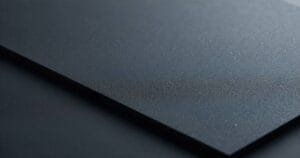
- a smooth baseline with low-visibility grain
- micro-patterns to prevent an overly glossy finish
- mild friction to support grip in design mockups
It’s similar to textures used in:
- soft-touch device casings
- prototype handles or grips
- conceptual footwear models
- dummy product shells
2. Visual Appearance
Most flensutenol textures have:
- matte or semi-matte reflectivity
- uniform light absorption
- subtle depth that looks natural in renders
This allows the texture to look realistic across different lighting environments.
3. Structural Durability
Conceptually, flensutenol textures are used to simulate materials known for durability, such as:
- synthetic polymers
- advanced rubbers
- lab-grade composites
Although not representing a real substance, the simulated durability helps designers imagine how a product might behave under stress.
4. Flexibility and Elasticity
This texture type typically represents moderate flexibility, often used in models of:
- protective gear
- soft-shell devices
- ergonomic tools
- wearable tech
Its simulated elasticity makes it ideal for ergonomic design testing.
Applications of Flensutenol Texture (Conceptual Use Cases)
Because the term refers to a design texture, not a real chemical material, its uses are primarily conceptual.
Digital Design and Rendering
Creators use flensutenol texture to:
- test lighting
- preview object form
- model environmental interactions
- simulate real-world wear patterns
It’s a helpful “default texture” in 3D design because it offers realistic depth without overpowering the model.
Product Prototyping Simulations
Teams working on new products may use placeholder textures to standardize early-stage prototypes.
Flensutenol texture can simulate:
- semi-rubbery grips
- smooth polymer surfaces
- ergonomic touch zones
- matte outer shells
Gaming and Animation
Texture artists use flensutenol-style surfaces for:
- futuristic interfaces
- sci-fi materials
- stylized props
- neutral prototype assets
Its consistent look helps maintain visual continuity.
Industrial Concept Modeling
Concept developers rely on balanced textures to test:
- friction levels
- matte reflectivity
- contour behaviors
- surface resistance simulations
Flensutenol-like surfaces allow for controlled experimentation.
Advantages of Using Flensutenol Texture in Design

✔ 1. Neutral and Versatile
It fits almost any design aesthetic without drawing attention away from the main concept.
✔ 2. Predictable Light Behavior
Matte to semi-matte reflectivity ensures:
- fewer glare issues
- realistic lighting simulations
- consistent color accuracy
✔ 3. Suitable for Ergonomic Modeling
Moderate elasticity and soft-touch simulations help teams test hand-feel and grip concepts.
✔ 4. Easy to Adapt Across Software
Digital artists like this texture because it:
- scales well
- doesn’t distort easily
- maintains surface integrity
✔ 5. Great for Early-Stage Prototypes
It acts as a placeholder texture, giving teams flexibility to change materials later.
Disadvantages or Limitations
Because the texture is conceptual, not real, there are natural limitations.
❌ 1. Not a Real Material
It cannot be:
- manufactured
- purchased
- physically tested
❌ 2. May Cause Confusion
People unfamiliar with digital design may assume it is an actual chemical substance or polymer.
❌ 3. Limited Use Outside Modeling
Its value is mostly in:
- digital environments
- prototyping
- simulations
It does not translate into real-world engineering.
❌ 4. Not Standardized
Different artists or industries may interpret the texture slightly differently.
How Flensutenol Texture Compares to Other Concept Textures
Flensutenol vs. Standard Matte Finish
| Feature | Flensutenol Texture | Matte Finish |
| Grain pattern | Subtle micro-grain | Often smooth |
| Flexibility | Moderately flexible | Not applicable |
| Grip feel | Slightly tactile | Typically flat |
| Durability simulation | Medium–high | Medium |
Flensutenol vs. Rubberized Texture
| Feature | Flensutenol | Rubberized |
| Look | More refined | More rugged |
| Purpose | Concept modeling | Real product surfaces |
| Elasticity | Moderate | High |
| Shine | Matte | Low gloss |
Flensutenol vs. Composite Texture
| Feature | Flensutenol | Composite |
| Complexity | Simple | High variability |
| Use case | Placeholder | Real material simulation |
| Grain | Fine | Medium to heavy |
How to Choose Flensutenol Texture in a Project

If you’re working on a product or digital design, choose flensutenol texture when:
✔ You need a neutral early-stage texture
✔ You want predictable matte light behavior
✔ You’re testing shape and ergonomics
✔ You don’t want the surface to distract from key details
✔ You need a texture that adapts well to multiple software environments
Steps to Apply Flensutenol Texture in Digital Design
Even though it’s conceptual, you can simulate it by following texture-building practices:
1. Start with a Matte Base Layer
Use a matte shader with low reflectivity.
2. Add Micro-Grain Noise
Introduce subtle grain to avoid a flat look.
3. Balance Roughness Levels
Aim for medium roughness for realism.
4. Create Mild Depth Through Bump Maps
This gives the surface a gentle tactile feel.
5. Keep Colors Neutral
Common palette choices:
- charcoal
- soft gray
- muted beige
- off-black
Why Flensutenol Texture Is Popular in the USA Design Market
Many U.S.-based designers prefer versatile conceptual textures like flensutenol because they:
- support rapid prototyping
- integrate well into workflow systems
- provide professional realism
- avoid brand-specific material limitations
In modern product design, especially for tech, automotive, wearables, and industrial goods, neutral placeholder textures help streamline collaboration.
Conclusion
Flensutenol texture may not be a real-world chemical or physical material, but it plays a valuable role in digital modeling, product concept development, and visual design. Its neutral appearance, balanced grain pattern, realistic matte behavior, and predictable characteristics make it a reliable choice for early-stage prototyping and visual simulations.
If you’re a designer or product developer, understanding how and when to use flensutenol texture can help you produce cleaner, more consistent, and more professional-looking models.
Feel free to explore the texture in your next project or ask questions if you’d like help customizing it for your workflow!
FAQs
Q1. Is flensutenol texture a real material?
Ans: No. It is a conceptual or fictional texture commonly used in digital and product design as a neutral placeholder surface.
Q2. Can flensutenol texture be manufactured?
Ans: No. It’s not a real substance, but you can simulate its appearance in modeling software.
Q3. What does flensutenol texture look like?
Ans: It usually appears matte or semi-matte with subtle micro-grains and moderate depth.
Q4. Why is it used in 3D modeling?
Ans: Because it provides a clean, realistic, and distraction-free texture that helps focus on shape, lighting, and design structure.
Q5. Is flensutenol texture good for prototyping?
Ans: Yes. It’s excellent for early-stage product visualization because of its neutral and predictable behavior.
Q6. What industries use this type of texture?
Ans: Digital art, animation, product design, concept modeling, UI/UX visualization, and 3D rendering.
Q7. Can beginners use flensutenol textures?
Ans: Absolutely. It’s simple, versatile, and easy to integrate into most design software.
Q8. Does flensutenol texture replace real materials?
Ans: No, it’s only a conceptual stand-in for realistic surfaces during early design phases.